


In Theory
Columns, In Theory, New in Ceasefire - Saturday, June 13, 2020 0:00 - 2 Comments
In Theory">Anti-Lockdown Theory: Stop Securitisation! In Theory
Global lockdown is finally giving way to a period of economic crash and social unrest. Yet the state response to the outpouring of justified anger at police atrocities is remarkably similar to its response to the coronavirus pandemic. In the second of his series on lockdown theories, Andy McLaverty-Robinson looks at securitisation, notably the long history of shifting framings of healthcare and the creeping securitisation of social problems.
Columns, In Theory, New in Ceasefire - Tuesday, May 19, 2020 9:31 - 0 Comments
In Theory">Anti-Lockdown Theory: In defence of Giorgio Agamben In Theory
 In the first of an occasional series, Ceasefire's theory columnist Andy McLaverty-Robinson examines Giorgio Agamben's much-criticised analysis of the Covid-19 crisis.
Columns, In Theory, New in Ceasefire - Wednesday, November 13, 2019 19:11 - 0 Comments
An A to Z of Theory">Hakim Bey: Strategies of Resistance An A to Z of Theory
 Hakim Bey's general strategic perspectives, such as the TAZ, are complemented by a range of tactical proposals for political action. In the eighth of sixteen parts of his series on Bey, Andrew Robinson examines the strategic underpinnings for Bey's political proposals.
Columns, In Theory, New in Ceasefire - Wednesday, July 24, 2019 15:20 - 1 Comment
An A to Z of Theory">Hakim Bey: The Pessimism of Autonomy An A to Z of Theory
 In the latest essay in his series on Hakim Bey's work, Andrew Robinson examines the ideas in Bey's 1996 book Millennium and other writings since, and shows that, while Bey's work has become more pessimistic, it has retained its focus on autonomy.
Columns, In Theory, New in Ceasefire - Wednesday, December 12, 2018 20:20 - 1 Comment
An A to Z of Theory">Hakim Bey: The Temporary Autonomous Zone An A to Z of Theory
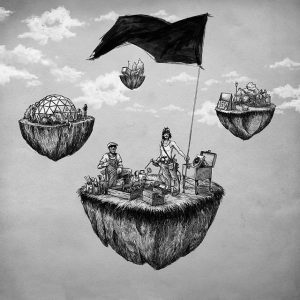 In the latest in his essay series on Hakim Bey's work, Andrew Robinson examines Bey's best known concept: the Temporary Autonomous Zone, TAZ.
Columns, Ideas, In Theory, New in Ceasefire - Wednesday, April 18, 2018 16:12 - 0 Comments
An A to Z of Theory">Hakim Bey: Capitalism, the State, and the Spectacle An A to Z of Theory
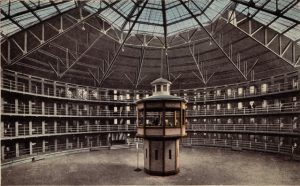 In the latest essay of his series on Hakim Bey, Andrew Robinson examines Bey's theory of capitalism, his critique of 'cop culture' and his comments on American global hegemony; and provides an analysis of Bey's view of the dominant system.
Columns, In Theory, New in Ceasefire - Saturday, February 3, 2018 12:40 - 2 Comments
An A to Z of Theory">Hakim Bey: Alienation and The State An A to Z of Theory
 In the fourth essay of his series on Hakim Bey, Andrew Robinson explores Bey's view of the dominant system as a 'Spectacle', the theory of alienation, and the history and contemporary forms of the state.
Columns, In Theory, New in Ceasefire - Thursday, December 7, 2017 15:05 - 0 Comments
An A to Z of Theory">Hakim Bey: Chaos, altered consciousness, and peak experiences An A to Z of Theory
 In the third essay of his series on Hakim Bey, Andrew Robinson explores the role of peak experience and altered consciousness in ontological anarchism. He examines how immediacy can provide a basis for resistance to alienation, explores Bey's ethical theories, and looks at whether social life is still possible if outer order is rejected.
Columns, In Theory, New in Ceasefire - Friday, November 24, 2017 16:56 - 0 Comments
An A to Z of Theory">“Chaos never died”: Hakim Bey’s Ontology An A to Z of Theory
 In the second essay of his series on Hakim Bey, Andrew Robinson reconstructs the ontology of Bey's “ontological anarchism”. He examines what it means to take chaos as ontologically primary, and how a sense of meaning or order can emerge from chaos.
Columns, In Theory, New in Ceasefire - Saturday, October 28, 2017 11:19 - 3 Comments
An A to Z of Theory">Hakim Bey: An Introduction An A to Z of Theory
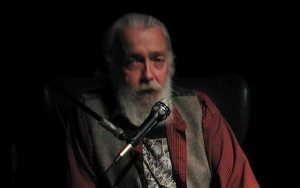 Best-known for his concept of the Temporary Autonomous Zone, Hakim Bey is one of the best-known anarchist theorists of the contemporary period. In this first part of a new series, Andrew Robinson gives a background to Bey's work, and explores whether he can be considered a post-anarchist.
